1. A short first call
The call covers the address, the kind of place and what the injury left behind. No one has to describe the injury.
Corning, AR · Clay County
After a serious injury in Corning, a wipe with a towel is not enough. Call (877) 812-4220 for accident and injury scene cleanup that removes bloodborne pathogen risks.
If anyone is in danger, call 911 first. For a suicide crisis, call or text 988.
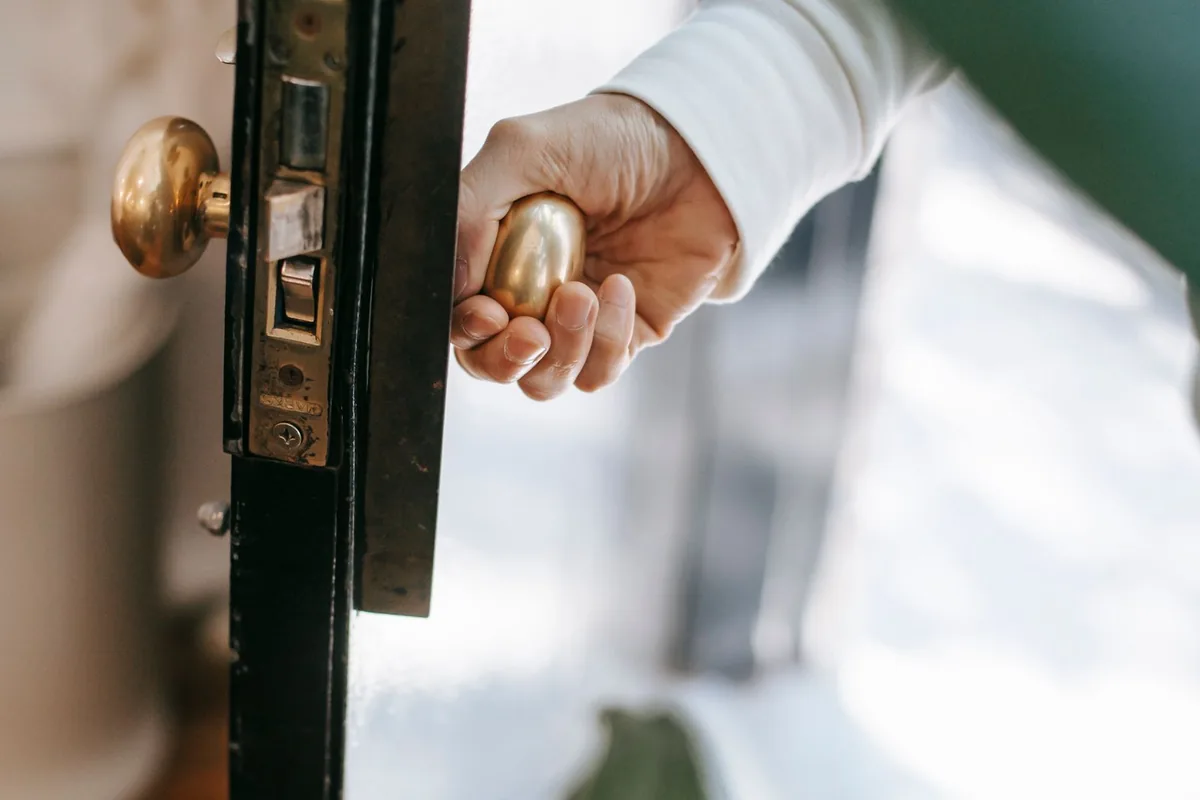
Injury scene cleanup protects people who come after the event, such as family, coworkers, customers and tenants. It removes the pathogens and odor that casual cleaning cannot.
When an injury happens at your home or workplace in Corning, you get cleaners who work quickly and carefully across Clay County. Ask Corning Biohazard Cleanup Help for the records your insurer or employer requests.
Only about 25% of households in Clay County rent, so most injury cleanups are arranged by homeowners and their insurers. In a smaller community like Corning, with about 3,134 residents, an injury at a shop or home may be the only cleanup job the owner has ever faced.
A typical accident & injury scene cleanup job includes:
The call covers the address, the kind of place and what the injury left behind. No one has to describe the injury.
Crews place protective sheeting and barriers and bring in the supplies they need for containment.
Every surface fluids touched is disinfected, and the room is treated so no trace remains in the air.
A final inspection and a set of records finish the job, so the area can reopen.
Most accident & injury scene cleanup jobs in Corning, AR cost between $500 and $8,000, based on published cost guides.
Time matters. Fluids that dry and soak in over time take more work than fresh ones, and odor is harder to remove.
| Type of job | Typical range |
|---|---|
| Trauma scene, published span | $500 - $8,000+ |
| Trauma and accident | $1,500 - $5,000 |
Published ranges only (PushLeads, Biohazard cleanup company pricing guide); every accident & injury scene cleanup job in Corning is priced after an on-site look. Price drivers include amount of blood and fluids, materials affected, number of rooms, waste disposal. Questions? Call (877) 812-4220.
Yes. Dried blood can still carry bloodborne pathogens, and wiping or scraping it can release particles. Crews wear protective equipment and use hospital-grade disinfectants.
It includes finding every place fluids reached, removing soaked carpet or fabric, disinfecting surfaces, handling waste and treating odor. A final inspection checks the work.
Often yes. A crew can close off one area, use barriers and signs and keep customers away from the work. Ask about timing and how the area is kept sealed.
The OSHA Bloodborne Pathogens Standard, 29 CFR 1910.1030, protects workers who handle blood and body fluids. Crews wear protective equipment and follow safe handling and disposal rules.
Wiping spreads fluid and leaves pathogens behind in seams, grout and porous materials. A towel also becomes contaminated waste. Professional cleanup removes the source and disinfects the area properly.
It depends on the place, the lease and the situation. A property manager, attorney or insurer can say who is responsible in your case. A cleanup team can explain the work either way.
Answered 24/7 with patience and no pressure.
Call (877) 812-4220